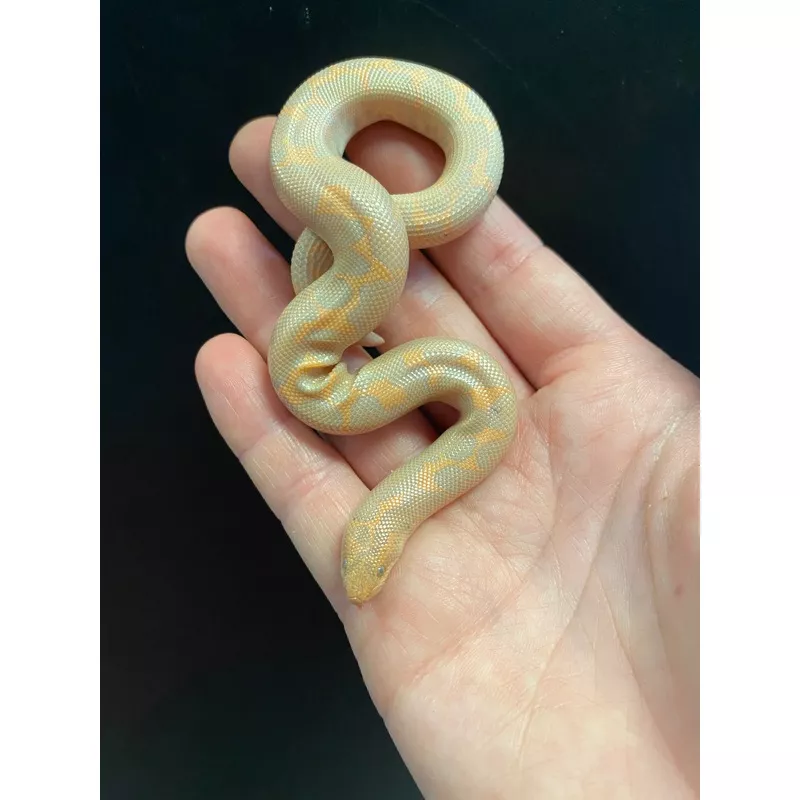
Kenyan Sand Boa (Albino)
Eryx colubrinusCommon Names: Kenyan Sand Boa, East African Sand Boa
Species Overview
-
Size: Adults average 1830 inches (4575 cm), with females larger and heavier-bodied than males.
-
Appearance: Albino Kenyan sand boas lack melanin, producing a striking pattern of bright orange and white instead of the typical brown-and-tan coloration. Their bodies are stout, with small, shovel-shaped heads and short tails adapted for burrowing.
-
Distribution: Native to East Africa, including Kenya, Ethiopia, Sudan, and surrounding regions.
-
Habitat: Found in semi-arid savannahs, scrublands, and deserts, where they live in loose, sandy soil or under rocks.
-
Behaviour: A fossorial (burrowing) species, spending most of its time underground. They are ambush predators that wait just beneath the sand surface to strike at passing prey.
Captive Care
-
Enclosure: A 20-gallon long tank or equivalent enclosure works for most adults. Provide deep, loose substrate such as play sand, aspen, or a sand/soil mix for burrowing. Include a water dish and at least one secure hide, though they prefer burying themselves.
-
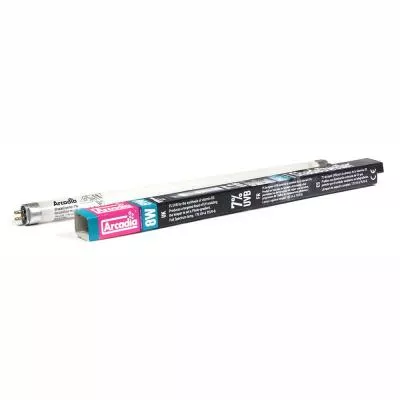
Temperature & Humidity: Maintain a gradient of 7882F (2528C) with a basking spot of 9095F (3235C). Nighttime drops to 7275F (2224C) are fine. Humidity should remain low, around 3050%, to replicate their natural arid environment.
-
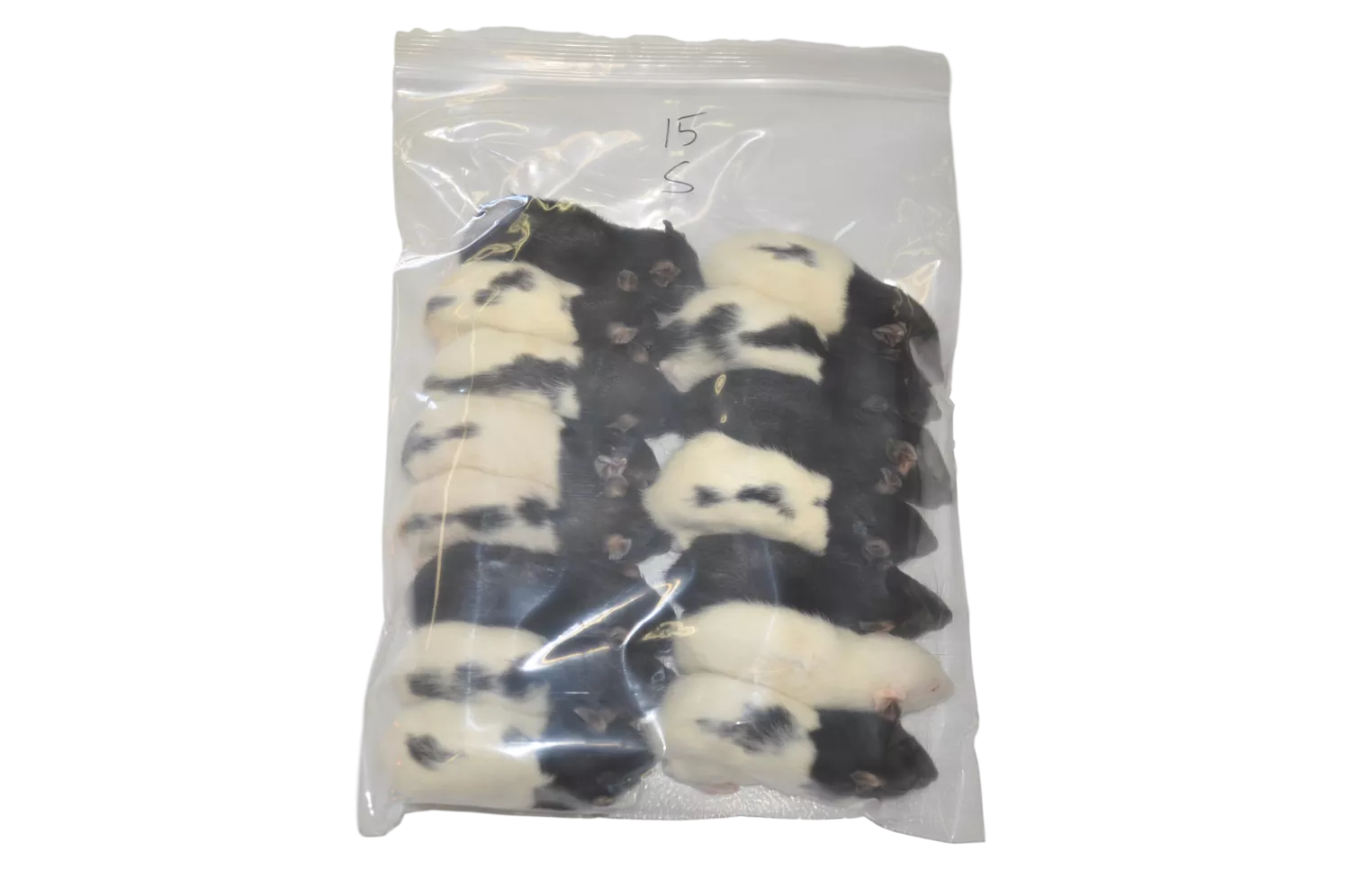
Diet: Juveniles feed every 57 days on pinky mice; adults every 1014 days on small rodents. Avoid overfeeding, as Kenyan sand boas are prone to obesity.
-
Behaviour in Captivity: Kenyan sand boas are generally docile, secretive, and slow-moving. They tolerate handling well, though they often remain hidden under substrate.
-
Special Considerations: They thrive best with deep substrate to burrow in and should not be housed on bare enclosures long-term.
Genetics Note
The Albino Kenyan Sand Boa expresses a recessive trait that eliminates melanin, producing orange-and-white coloration with red or pink eyes. Unlike heterozygous carriers (hets), albinos are visually distinct. Core care requirements remain the same as for normal Kenyan sand boas.